
In this article (8 sections)
- Understanding Patient Feedback Systems
- How Patient Feedback Systems Boost Healthcare Revenue?
- Implementing Effective Patient Feedback Systems
- The Financial Impact of Patient Feedback Systems
- How Patient Satisfaction Lowers Hospital Costs
- Using Patient Feedback for Competitive Advantage
- How To Measure the ROI of Patient Feedback
- Frequently Asked Questions
In the competitive healthcare landscape, boosting revenue is a constant challenge. Hospitals must not only provide excellent care but also ensure patient satisfaction to thrive financially. One of the most effective ways to achieve this is by leveraging patient feedback systems.
These systems are not just about gathering opinions; they are powerful tools for enhancing healthcare profitability and driving revenue growth in hospitals. In this article, we will explore how patient feedback systems can transform your hospital’s bottom line.
Understanding Patient Feedback Systems
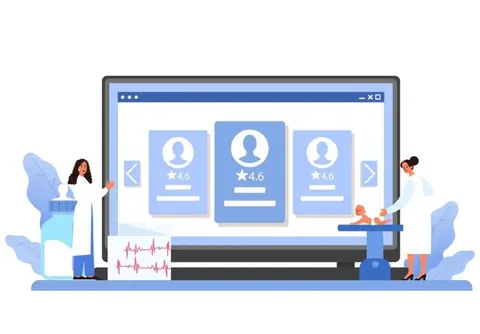
Patient feedback systems are tools designed to collect, analyze, and act on patient experiences and opinions. They often include patient satisfaction surveys, online reviews, suggestion boxes, and more sophisticated digital platforms.
These systems allow hospitals to gauge how patients feel about the care they received, from the quality of medical services to their interactions with staff.
1. The Role of Patient Satisfaction Surveys
Patient satisfaction surveys are crucial for effective patient feedback systems. These surveys, conducted post-discharge or after outpatient visits, ask patients to rate various aspects of their experience.
The feedback helps hospitals pinpoint areas for improvement, directly impacting patient satisfaction and driving revenue growth.
How Patient Feedback Systems Boost Healthcare Revenue?
Patient feedback systems offer numerous benefits that directly contribute to the financial health of a hospital. By focusing on patient engagement, service improvement, and loyalty, hospitals can create a cycle of continuous revenue growth.
1. Enhancing Patient Engagement
Patient feedback systems boost patient engagement by ensuring that patients feel heard and valued. Engaged patients are more likely to adhere to treatment plans, make follow-up appointments, and use hospital services regularly. This increased engagement translates into higher patient retention and revenue growth.
2. Improving Healthcare Services
Analyzing feedback helps hospitals identify and address service issues such as long wait times or poor communication. Implementing improvements based on this feedback enhances patient satisfaction and attracts more patients, contributing to higher healthcare profitability.
3. Developing Patient Loyalty Programs
Creating patient loyalty programs based on feedback data rewards patients for their continued patronage. These programs can offer discounts or priority services, encouraging patients to return and use hospital services regularly. This increased loyalty secures a steady revenue stream and enhances profitability.
4. Reducing Patient Churn
Patient churn occurs when patients choose not to return to a healthcare provider. Feedback analysis helps identify reasons for dissatisfaction, allowing hospitals to address these issues and reduce patient churn. Lower churn rates ensure a stable patient base and consistent revenue.
5. Optimizing Marketing Strategies
Feedback data is valuable for refining marketing strategies. Understanding patient preferences and concerns enables hospitals to craft targeted marketing messages that resonate with their audience. This approach leads to more effective campaigns, higher patient acquisition, and increased revenue.
Implementing Effective Patient Feedback Systems
Implementing a patient feedback system requires careful planning and execution. The tools you choose, how you train your staff, and the way you monitor and improve the system are all critical factors.
1. Choosing the Right Tools
The success of a patient feedback system depends on selecting the right tools. Digital platforms that offer real-time feedback collection and analysis are ideal. These tools integrate with existing hospital systems, making it easier to track and act on patient feedback.
2. Training Staff
Proper training is essential for effective use of patient feedback systems. Staff should be educated on using the tools and responding to feedback with empathy and efficiency. Well-trained staff can improve patient interactions and satisfaction, enhancing overall care quality.
3. Continuous Monitoring and Improvement
Patient feedback systems require ongoing monitoring and improvement. Regularly reviewing feedback data helps hospitals identify trends and make necessary adjustments. Continuous improvement ensures the system remains effective and responsive to patient needs.
The Financial Impact of Patient Feedback Systems
Patient feedback systems have a significant impact on a hospital’s financial health. By increasing patient retention, enhancing reputation, and identifying cost-saving opportunities, these systems drive revenue growth and profitability.
1. Increased Patient Retention
Satisfied patients are more likely to return for future care, providing a consistent revenue stream. By improving patient experiences through feedback, hospitals can enhance retention rates and secure ongoing revenue.
2. Enhanced Reputation
A positive reputation is crucial for attracting new patients. High patient satisfaction scores and positive feedback can boost a hospital’s reputation, leading to increased patient volumes and higher revenues.
3. Cost Savings
Addressing issues highlighted by patient feedback can lead to cost savings. Improvements such as reducing wait times or increasing staff efficiency can lower operational costs and enhance profitability.
4. Maximizing Revenue Opportunities
Feedback data can reveal new revenue opportunities, such as additional services or specialized treatments. Hospitals can use this information to expand their offerings and tap into new revenue streams.
How Patient Satisfaction Lowers Hospital Costs
Revenue is only half of the financial picture. Acting on feedback also reduces costs that come from poor patient experiences:
- Fewer complications and readmissions: Patients who trust their providers are more likely to follow treatment plans, which means fewer complications, fewer readmissions and fewer costly interventions.
- Fewer malpractice claims: High patient satisfaction is associated with fewer malpractice claims.
- Problems caught early: Negative feedback points to issues that, once fixed, prevent costly errors later.
For practical steps to raise satisfaction, see our guide on ways to improve patient satisfaction.
Using Patient Feedback for Competitive Advantage
Patient feedback can also shape the hospital's strategy, not just resolve individual complaints.
- Align feedback with strategic goals: Compare feedback insights with your organization's goals and prioritize the improvements that support both.
- Involve staff and management in the analysis: Their perspectives give a deeper understanding of what the data means and what to do about it.
- Find and promote your strengths: Feedback shows what patients value about your hospital. Highlight these differentiators in marketing and communications, and use positive feedback and testimonials, with patients' permission, in promotional material.
- Respond visibly to concerns: Hospitals known for responding to patient concerns often attract more patients and receive better reviews.
- Guide investment: Use feedback to decide where to invest, whether in staff training, facility upgrades, or new technologies and care practices that match patient needs.
How To Measure the ROI of Patient Feedback
To know whether feedback-driven changes are paying off, track a small set of key performance indicators (KPIs) and review them regularly alongside the feedback itself, so you can see the effect of each change.
| KPI | What it tells you |
|---|---|
| Patient satisfaction scores | Whether care and services are meeting patient expectations; high scores support reputation and growth |
| Patient retention rate | How many patients come back for further care, which drives repeat revenue |
| Readmission rates | How well care and follow-up are managed; lower rates also cut the cost of repeat admissions |
| Operational efficiency (patient throughput, bed occupancy, average length of stay) | Bottlenecks that cause long waits and slow patient flow |
| Staff performance and productivity | Where additional training or support is needed |
| Patient outcomes (recovery and complication rates) | Whether standards of care are being maintained, which also affects reputation with new patients |
| Financial performance (revenue streams, cost savings, profit margins) | The overall economic effect of feedback-driven changes |
For a step-by-step method of analyzing the feedback behind these numbers, see our examples of successful patient feedback systems in hospitals.
Frequently Asked Questions
How Can Patient Feedback Systems Directly Impact Revenue Growth In Hospitals?
Patient feedback systems improve patient satisfaction, leading to higher retention rates, positive referrals, and a stronger reputation, all contributing to revenue growth.
What Are The Key Components Of An Effective Patient Feedback System?
Effective systems include patient satisfaction surveys, real-time feedback tools, and comprehensive data analysis capabilities for actionable insights.
How Do Patient Loyalty Programs Benefit Healthcare Profitability?
Loyalty programs encourage repeat visits and long-term patient relationships, ensuring a steady revenue stream and reducing patient churn.
How Often Should Hospitals Review And Act On Patient Feedback?
Hospitals should continuously review patient feedback, with monthly or quarterly evaluations to identify trends and implement improvements.
How Does Patient Feedback Affect Healthcare ROI?
Feedback shows which service improvements will raise retention, referrals and reputation, which brings in revenue, while acting on negative feedback early prevents costly mistakes. Hospitals can track the effect through satisfaction scores, retention and readmission rates, and financial data.
Which KPIs Measure The Impact Of Patient Feedback?
Common KPIs include patient satisfaction scores, retention rates, readmission rates, operational metrics such as patient throughput and average length of stay, and financial measures such as revenue and cost savings.
How Does Patient Feedback Create A Competitive Advantage?
Feedback shows where service quality falls short and what patients value most. Fixing the weak points and highlighting the strengths in marketing helps a hospital attract new patients and keep existing ones.
Filed under Patient Feedback & Experience · First published