In this article (10 sections)
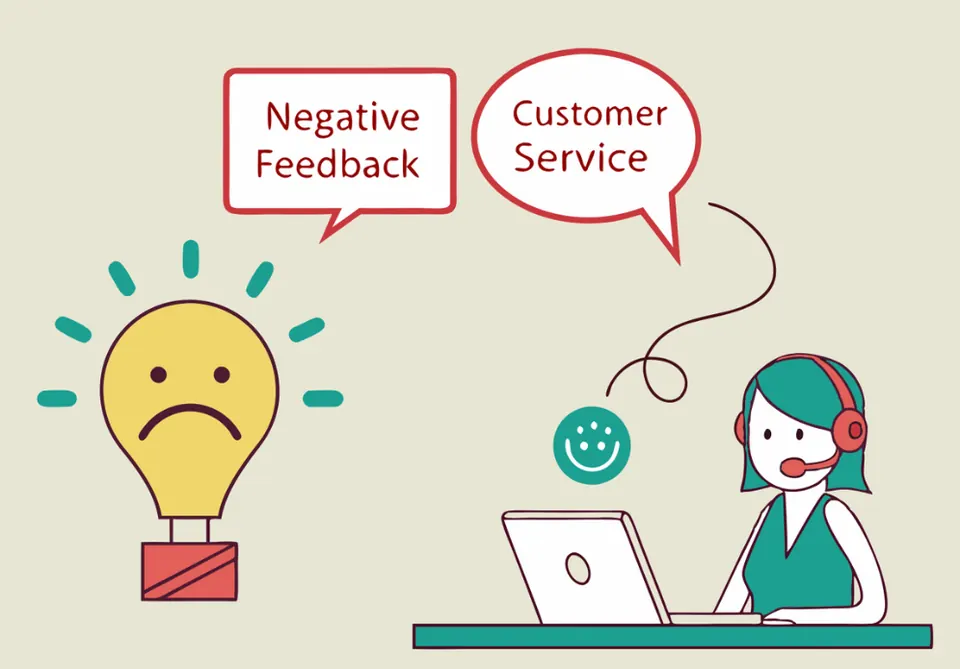
Feedback, both positive and negative, is crucial for business growth. Though negative feedback can be hard, it offers a chance to improve customer experience, build trust, and refine your services.
The key is how you handle it. Here’s how to turn negative feedback into a positive outcome for your customers and your business.
1. Managing Criticism
To handle negative feedback, read carefully and understand the customer’s concerns. Allow them to express their issues and acknowledge their feelings with empathy fully.
- Read and understand their concerns.
- Let them share their thoughts without interruption.
- Respond with empathy to acknowledge their feelings.
2. Valuing Customer Feedback
Quick, polite replies show you value feedback and are committed to resolving issues, especially after a bad experience.
- Respond quickly to avoid escalation.
- Show you value their feedback.
- Stay calm and polite, even with harsh comments.
3. Owning Up to Issues
Take responsibility for issues your company caused, offer a sincere apology, and focus on resolving the situation, without excuses or blame.
- Own up to the issue if it’s your fault.
- Apologize sincerely to regain trust.
- Avoid blaming others and focus on solutions.
4. Commitment to Improvement
Offer a solution or update on the issue, highlighting your commitment to long-term improvements and customer satisfaction.
- Give a clear solution (refund, replacement, etc.).
- If the issue is complex, inform the customer you’re investigating.
- Show commitment to long-term improvements and quality.
5. Tracking Recurring Issues
Analyze negative feedback for patterns to identify areas for improvement and prevent future issues.
- Look for patterns in feedback to identify recurring problems.
- Make improvements based on feedback to prevent future issues.
- Set up regular feedback loops using surveys, follow-up emails, and social media to monitor customer sentiment.
6. Ensuring Ongoing Satisfaction
Follow up after resolving the issue to ensure customer satisfaction and show your commitment to improvement.
- Follow up to show you care about satisfaction.
- Reinforce your commitment to improving their experience.
- Confirm the customer is happy with the resolution.
7. Criticism Into Credibility
Handling negative feedback well can boost your reputation. If resolved effectively, encourage customers to share their positive experiences.
- Handle negative feedback well to boost your reputation.
- Customers value businesses that take responsibility.
- Ask satisfied customers to share their positive experiences publicly.
How to Investigate and Resolve a Customer Complaint
When negative feedback needs more than an on-the-spot fix, treat it as a short investigation:
- Thank and validate. Thank the customer for raising the issue, whatever its tone, and recognize the concerns they raised. Validating a concern does not mean agreeing with every point; it shows you understand. In person, nodding and eye contact show you are engaged and can help calm the situation.
- Gather the facts. Collect details from everyone involved, including the staff on duty and any relevant records, so you find the root cause and spot any wider pattern.
- Choose how to report back. Match the channel to the severity and nature of the complaint: a phone call, an email or a face-to-face meeting.
- Explain what you found. Be concise and clear about what the investigation showed and what will be done about it.
- Fix it now and for the future. Take immediate corrective action where you can, then make longer-term changes, such as policy updates, staff training or process improvements, so the problem does not recur.
- Ask about the changes. When you follow up, invite the customer to give feedback on the changes you made.
For complaints in a hospital setting, see these best practices for handling patient complaints.
Conclusion
Handling negative feedback well can turn bad situations into chances for growth. By listening, taking responsibility, offering solutions, and learning from feedback, you fix issues and improve your business.
This builds stronger customer relationships and trust. View feedback as a tool for improvement, and customers will appreciate your efforts, leading to loyalty.
Remember, each piece of feedback is an opportunity to show you care and turn things around.
Frequently Asked Questions
1. Why is negative feedback important for growth?
Negative feedback helps businesses identify areas for improvement, offering insights to enhance products or services and drive growth.
2. What are the best practices for responding to negative customer feedback?
Listen to the customer’s concerns, respond politely, offer a solution, apologize if needed, and show empathy to value their feedback.
3. How can recurring feedback lead to improvements?
Analyzing recurring feedback helps identify common problems. By addressing these issues and making necessary changes, businesses can improve processes and prevent future complaints.
4. How can businesses ensure that negative feedback does not harm their reputation?
Businesses can protect their reputation by addressing negative feedback openly, taking responsibility, and resolving issues quickly to build trust.
5. Why is following up after feedback important?
Following up shows customers their issues matter, ensures satisfaction, and strengthens loyalty by demonstrating a commitment to improvement.
6. What are active listening techniques for handling complaints?
Pay full attention, do not interrupt and acknowledge the concerns raised. In person, non-verbal cues such as nodding and maintaining eye contact show you are taking the feedback seriously.
7. What are immediate corrective actions?
They are steps taken to put the situation right straight away, such as a refund or replacement, which show the customer you are serious about resolving the issue.
8. Should you ask for feedback again after fixing a complaint?
Yes. When you follow up, tell the customer what changed and invite their feedback on those changes, which shows an ongoing commitment to improvement.
Filed under Feedback Management · First published