In this article (12 sections)
- Why Malls Need Operations Checklists
- Mall Housekeeping Checklist
- Mall Security Checklist
- Fire Safety and Emergency Exit Checklist
- Lift, Escalator and HVAC Inspection Checklist
- DG Set and Meter Reading Checklist
- Parking, Food Court and Entrance Checklist
- Store Opening and Closing Checklist
- Mall Compliance Items to Track
- How to Make Sure Checklist Rounds Are Really Done
- Conclusion
- Frequently Asked Questions
A shopping mall runs on routine. Washrooms are cleaned, security rounds are walked, fire exits are checked, lifts and escalators are inspected and meters are read, every day, by different teams on different shifts. A written checklist for each round is how a mall makes sure these jobs happen the same way every time, and how managers know they happened at all.
This guide sets out the checklists most malls need, what each one should cover, and how to make sure the rounds are really done. You can adapt every list to your own mall's standard operating procedures, and download all of them as a printable pack.
Why Malls Need Operations Checklists
Mall operations are spread across housekeeping, security, engineering and customer service teams, often supplied by outside contractors. Without a shared checklist, each supervisor works from memory and standards drift from shift to shift. Checklists help a mall:
- Keep standards consistent across shifts, floors and contractors.
- Catch problems early, such as a blocked fire exit or a faulty escalator, before a shopper or tenant reports them.
- Show what was done, by whom and when, if there is ever a complaint, an incident or an audit.
- Train new staff quickly, because the checklist spells out what "done" means.
Mall Housekeeping Checklist
Washrooms and common areas shape how shoppers feel about a mall more than almost anything else. Run this round several times a day, and more often at peak hours.
- Washrooms cleaned on schedule, floors dry and no odour
- Soap, tissue and hand towels restocked
- Dustbins emptied and waste segregated
- Corridors, atrium and seating areas clean, with spills cleared
- Glass doors, railings and lift lobbies wiped
- Signage clean and clearly visible
Mall Security Checklist
Security rounds cover the start of each shift, patrols during trading hours and night rounds after the mall closes.
- All entry and exit points checked at the start of the shift
- CCTV cameras working and recording
- Unattended items reported and handled as per the mall's procedure
- Service corridors and loading bays secured
- Night round: stores shuttered, lighting as per the night plan and no unauthorised people inside
- Every incident logged with the time and location
Fire Safety and Emergency Exit Checklist
Fire safety checks protect shoppers, tenants and staff, and are among the first things an inspector looks at.
- Emergency exits free of obstruction and able to open from inside
- Exit signs lit
- Fire extinguishers in place, accessible and with a current inspection tag
- Hydrant and hose reel points accessible
- Fire alarm panel showing no faults
- Assembly point signage visible
Lift, Escalator and HVAC Inspection Checklist
Lifts, escalators and air conditioning are the services shoppers notice the moment they fail.
- Lifts: doors, buttons, lighting, alarm and intercom working
- Escalators: emergency stop accessible, handrails moving with the steps and no unusual noise
- Air conditioning: common-area temperature within the set range
- Plant rooms clean and filters changed as per schedule
- Any equipment out of service barricaded and reported
DG Set and Meter Reading Checklist
- DG set fuel level, battery and coolant checked, and run hours recorded
- Electricity, water and gas meter readings recorded
- Unusual consumption flagged to the engineering team
Parking, Food Court and Entrance Checklist
- Parking: lighting, signage, boom barriers and ticketing working, with no blocked driveways
- Food court: tables cleared, floors dry, bins emptied and hand-wash points stocked
- Entrances: doors working, mats in place and baggage scanners working where installed
Store Opening and Closing Checklist
- Opening: stores open on time with shutters fully raised and lights on
- Closing: stores closed and shutters locked
- Closing: no staff inside after hours without approval
Mall Compliance Items to Track
Alongside daily rounds, a mall holds licences, certificates and inspections that must be renewed on time. Keep a register with the owner, the expiry date and the date you will start the renewal for each item. Typical items include:
- Fire NOC and fire safety audits
- Lift and escalator licences and inspections
- Trade, shop and establishment licences
- Pollution control consents
- Electrical and DG set inspections
- Insurance policies
- Food safety and health licences for common areas
The exact list depends on your state, city and the mall's facilities, so confirm it with your legal and compliance advisers.
How to Make Sure Checklist Rounds Are Really Done
A paper checklist ticked at the end of a shift tells you very little. To trust your rounds:
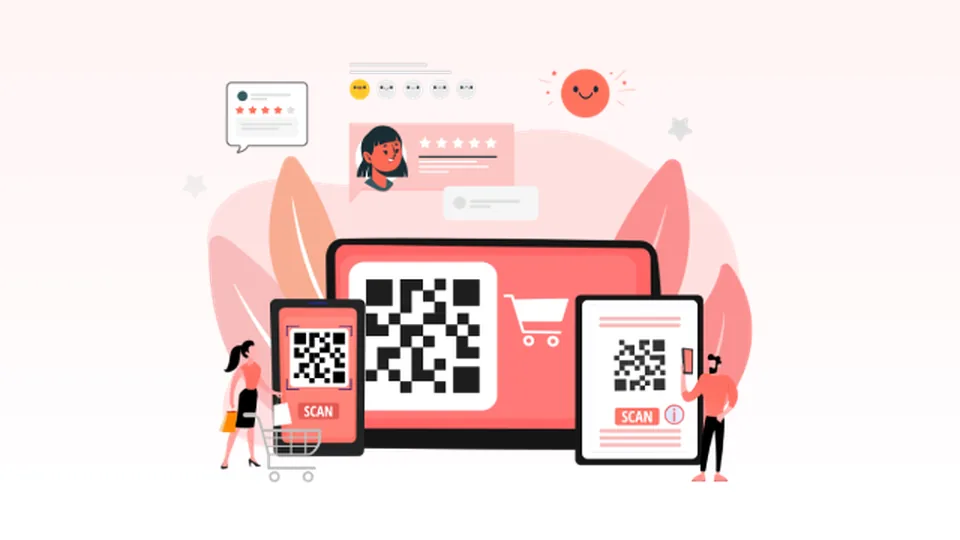
- Prove presence: ask staff to scan a QR code at the spot before the checklist opens, so you know they were there.
- Ask for photos on the items that matter, such as a cleaned washroom or a clear fire exit.
- Turn failures into tasks: when an item fails, raise an issue, assign it, track it and escalate it until it is resolved.
- Schedule the rounds so they are due at set times, and see at a glance which ones were missed.
LazyMonkey Checklists runs scheduled housekeeping, security and facility rounds on mobile with photo proof and automatic escalation, and LazyMonkey Compliance tracks every licence, renewal and statutory deadline with reminders before anything lapses. Both are part of LazyMonkey's mall management software.
Conclusion
Good mall operations come down to doing the basics well, every shift. Clear checklists for housekeeping, security, fire safety, equipment, meters, public areas and store timings give every team the same standard, and a compliance register keeps renewals from slipping. Start with the lists above, adapt them to your mall, and make sure each round leaves a record you can trust.
Frequently Asked Questions
What should a mall housekeeping checklist include?
Washroom cleaning and restocking, emptying and segregating waste, cleaning corridors, the atrium and seating areas, clearing spills, wiping glass, railings and lift lobbies, and keeping signage clean and visible.
What checks should mall security do at night?
Confirm that stores are shuttered, lighting matches the night plan, service corridors and loading bays are secured, CCTV is recording and no unauthorised people are inside, and log anything unusual with the time and location.
How do you know mall checklist rounds were actually done?
Require a QR scan at the location before the checklist opens, ask for photos on key items, and turn every failed item into an assigned issue that is tracked and escalated until it is resolved.
Which licences and inspections should a mall track?
Typical items include the fire NOC and fire safety audits, lift and escalator licences, trade, shop and establishment licences, pollution control consents, electrical and DG set inspections, insurance policies and food safety licences for common areas. The exact list depends on your location and facilities.
Filed under Industry Guides · First published