In this article (6 sections)
In today’s fast-paced retail environment, efficient management of shopping malls is crucial for both the businesses operating within them and the consumers who frequent them.
A mall management system serves as a comprehensive solution designed to streamline various operations, enhancing the overall shopping experience.
Understanding Mall Management Systems
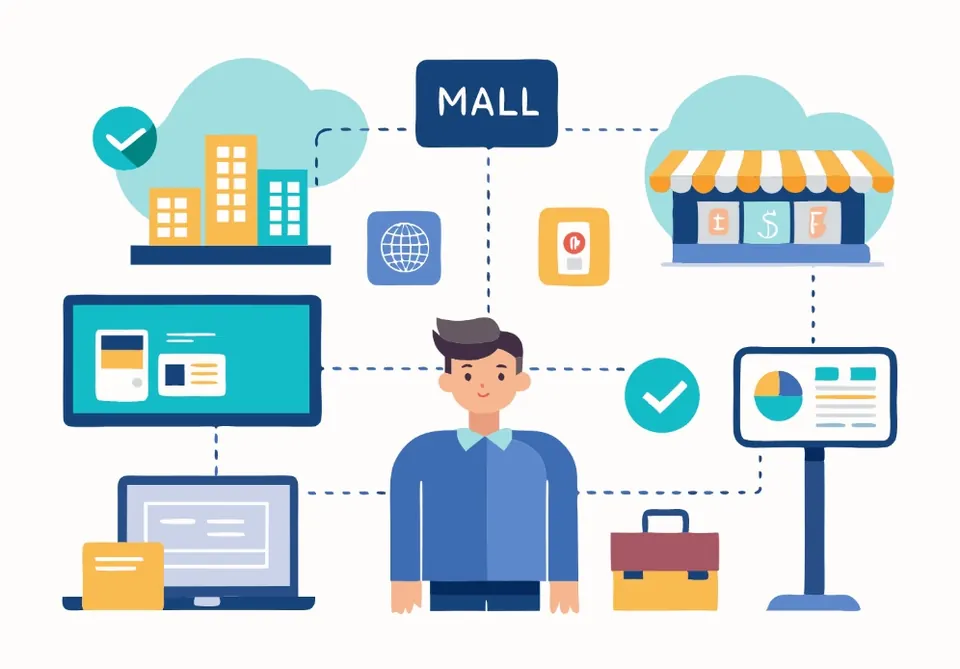
A mall management system is a software platform that integrates various functionalities to oversee the operations of shopping malls.
This system is designed to simplify the complex tasks involved in managing a mall, such as tenant management, customer engagement, maintenance tracking, and financial reporting. Key features of mall management systems are:
1. Tenant Management
This feature allows mall administrators to manage tenant leases, track occupancy rates, and ensure compliance with leasing agreements. A well-structured tenant management module can enhance communication between mall management and tenants, promoting a cooperative environment.
Also Read: Know more about mall tenant satisfaction surveys
2. Customer Engagement
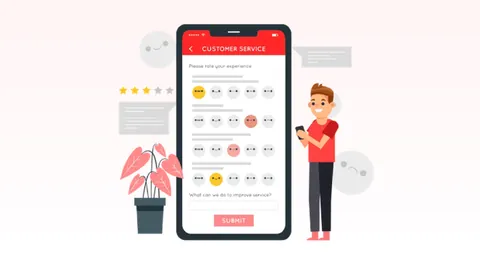
A successful shopping mall thrives on customer satisfaction. Mall management systems often include tools for customer relationship management (CRM), enabling management to understand customer preferences, gather feedback, and tailor marketing efforts accordingly.
3. Maintenance Management
Keeping a mall in top condition is essential for attracting visitors. A mall management system helps schedule regular maintenance tasks, manage repair requests, and track the maintenance history of facilities.
4. Financial Management
Accurate financial tracking is vital for the sustainability of a shopping mall. The system typically offers tools for budgeting, expense tracking, and financial reporting, allowing management to make informed decisions.
5. Reporting and Analytics
Data-driven decision-making is crucial in today’s retail landscape. Mall management systems provide reporting and analytics features, allowing managers to assess performance, understand trends, and adjust strategies as needed.
Benefits Of Shopping Mall Management Systems
Implementing a shopping mall management system can significantly improve the efficiency and effectiveness of mall operations. Here are some of the key benefits:
1. Improved Operational Efficiency
By automating routine tasks, a mall management system reduces the burden on staff, allowing them to focus on more strategic activities. This automation leads to quicker response times, streamlined processes, and reduced errors, enhancing overall operational efficiency.
2. Enhanced Customer Experience
With features that facilitate better tenant and customer interactions, a mall management system enhances the shopping experience. By understanding customer preferences and feedback, management can create tailored promotions and events that drive foot traffic and customer loyalty.
3. Increased Revenue Generation
Effective management of tenants and their performance can directly impact a mall’s revenue. By using data analytics to assess which stores are performing well, management can make informed decisions about leasing strategies and marketing efforts to boost overall sales.
4. Better Resource Management
A comprehensive mall management system helps track resources such as staff, maintenance tools, and financial assets. This ensures that resources are used efficiently, reducing waste and costs associated with mismanagement.
5. Real-time Data Access
Having real-time access to data regarding tenant performance, customer foot traffic, and maintenance needs enables management to make informed decisions quickly. This agility is crucial for adapting to market changes and consumer trends.
Components Of An Effective Mall Management System
To fully harness the benefits of a mall management system, it is essential to understand its key components. Here are the critical elements that make up an effective system:
1. User-Friendly Interface
A user-friendly interface is vital for ensuring that all staff members can navigate the system with ease. Training employees on a complicated system can be time-consuming and may lead to resistance. Therefore, the design of the mall management system should prioritize simplicity and intuitiveness.
2. Integration Capabilities
A robust mall management system should be able to integrate with other existing systems, such as accounting software, CRM platforms, and maintenance management tools. This integration allows for seamless data transfer and enhances overall functionality.
3. Customizable Features
Every shopping mall has its unique needs. A good mall management system should offer customizable features to cater to those specific requirements. This flexibility ensures that management can adapt the system to meet changing demands.
4. Mobile Accessibility
In an age where mobile devices are ubiquitous, having a mall management system accessible via smartphones or tablets is essential. This feature allows managers to monitor operations and respond to issues on-the-go, enhancing their ability to manage effectively.
Mall Management Software From LazyMonkey
LazyMonkey for Malls is mall management software that connects the three groups that make a mall work: shoppers, tenants and the operations team. It covers six areas.
For Shoppers and Visitors
- Mall Directory: shoppers scan a QR code to find any store, brand or product in the mall, and see where it is.
- QR Feedback: shoppers report a dirty washroom or a broken escalator in seconds, and the right team is alerted.
For Tenants and Shops
- Tenant Survey: a monthly questionnaire that shows how tenants rate your air conditioning, cleanliness, lifts and other services.
- Tenant Permits & Approvals: shops request approval for repair work, deliveries and contractor visits, so the mall knows who is coming in before they arrive.
For the Mall Operations Team
- Checklists: scheduled housekeeping, security and facility rounds, done on mobile with photo proof and automatic escalation.
- Compliance: every licence, renewal and statutory deadline tracked, with reminders before anything lapses.
The six products share one login, can be used across several malls with each one's data kept separate, and send alerts by WhatsApp, SMS, email and mobile push.
Conclusion
In conclusion, a mall management system is an indispensable tool for modern shopping mall management. By integrating various functionalities such as tenant management, customer engagement, and financial tracking, it streamlines operations and enhances the overall shopping experience.
The benefits of implementing a shopping mall management system include improved operational efficiency, enhanced customer experience, increased revenue generation, better resource management, and real-time data access.
Frequently Asked Question
What Is The Main Purpose Of A Mall Management System?
The primary purpose of a mall management system is to streamline and enhance the operations of shopping malls by automating tasks related to tenant management, customer engagement, maintenance, and financial reporting.
How Does A Mall Management System Benefit Tenants?
A mall management system benefits tenants by facilitating better communication with management, streamlining leasing processes, and providing insights into customer behavior, which can help them improve their business strategies.
Can A Mall Management System Help Increase Foot Traffic?
Yes, by using data analytics and customer engagement tools, a mall management system can help management design promotions and events that attract more visitors, thereby increasing foot traffic.
Are Mall Management Systems Customizable?
Most mall management systems offer customizable features that allow management to tailor the system to meet the specific needs of their shopping mall.
Filed under Industry Guides · First published